

Research Background
Previous studies have mainly used in vitro and animal experiments to show the potential immune-regulating effects, while evidence in humans is still limited. This randomized, double-blind, placebo-controlled trial (RCT) evaluated the effects of daily phycocyanin supplementation on immune markers and oxidative stress in healthy adults. The study provides clinical evidence for its safety and effectiveness as a dietary supplement ingredient.
More research background content or images can be added, and sections such as Research Background and Study Design can also be added, edited, or deleted.
Study Design
Healthy adults were recruited and randomly assigned to either a phycocyanin supplement group or a placebo group for 8 weeks. Blood samples were collected before the study, at week 4, and at week 8. Immune cell activity, cytokine levels, and oxidative stress markers were measured, and any adverse effects were recorded throughout the study.
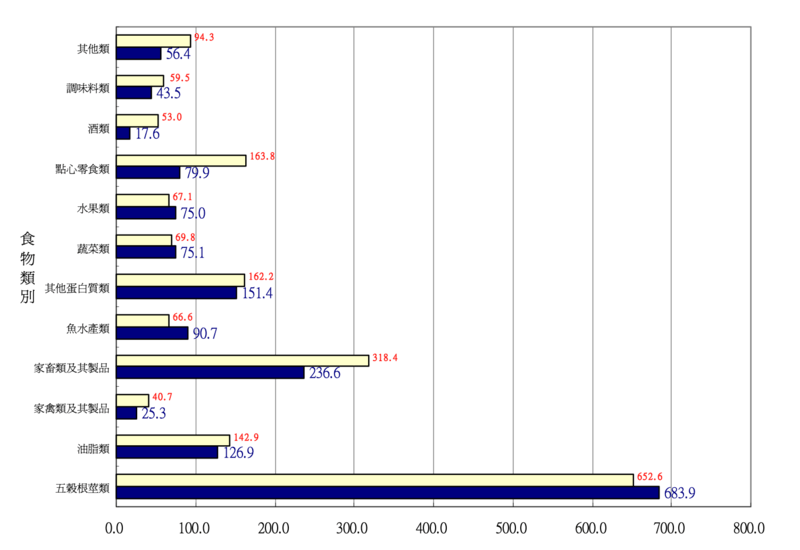
Figure 1. Comparison of immune markers between the supplement and placebo groups
Practical Applications
This study provides initial clinical evidence that phycocyanin may help support immune regulation in humans. The results support its potential use in dietary supplements and functional foods.
Further studies with larger sample sizes and longer follow-up periods are recommended to confirm its long-term benefits and optimal dosage. More practical application content or images can also be added, and sections can be added, edited, or deleted.
Research Results
Compared with the placebo group, the supplement group showed positive changes in several immune markers at week 8, including increased natural killer (NK) cell activity and higher levels of anti-inflammatory cytokines. Oxidative stress markers, such as MDA, also showed a decreasing trend.
Most changes were more noticeable at week 8 than at week 4, suggesting that the effects may increase over time. More research results or images can also be added.


